Facing a College Investigation or Disciplinary Proceeding?
K Altman Law helps Michigan students and families through conduct hearings, Title IX complaints, NIL disputes, and more.
Why Michigan Students Come to Us
Michigan recently restructured how it handles student conduct. The Office of Student Conflict Resolution (OSCR) now handles voluntary, restorative resolution, while a newer office, the Office of Student Accountability (OSA), handles formal fact-gathering and complaints, including cases where the university itself is the complainant. Both fall under a shared umbrella, Student Resolution Resources. Sexual misconduct, stalking, and intimate partner violence are handled separately under Michigan's Sexual and Gender-Based Misconduct Policy. Whatever issue brought you here, the same rule applies: the earlier you understand your options, the more of them you still have.
What Is Your Situation?
Academic & Conduct Misconduct
Accused of violating Michigan's Statement of Student Rights and Responsibilities? Since 2025, formal cases go through the Office of Student Accountability rather than OSCR's older, single-office model, and the process now looks different than it may have for students in prior years.
Title IX Complaints
Facing a Title IX complaint or investigation? Sexual misconduct, stalking, and intimate partner violence are handled under Michigan's separate Sexual and Gender-Based Misconduct Policy, not the general Statement process.
NIL Disputes
Dealing with an NIL dispute as a student-athlete? NIL deals, collective agreements, and compliance questions carry rules specific to your sport and conference.
Other Student Matters
Something else, like special education rights or a social media harm claim? If your issue doesn't fit neatly into the categories above, we still may be able to help.
What To Do in the Next 24 Hours
- Save documentation: Save any notice, email, or letter you received, and note every date in it.
- Identify the office: Find out whether your case is with OSCR, the newer Office of Student Accountability, or a separate Title IX process.
- Pause responses: Don't respond in writing or agree to anything before you talk to an advisor.
- Get counsel: Call for a consultation before a decision gets made without you.
Meet Your Attorney
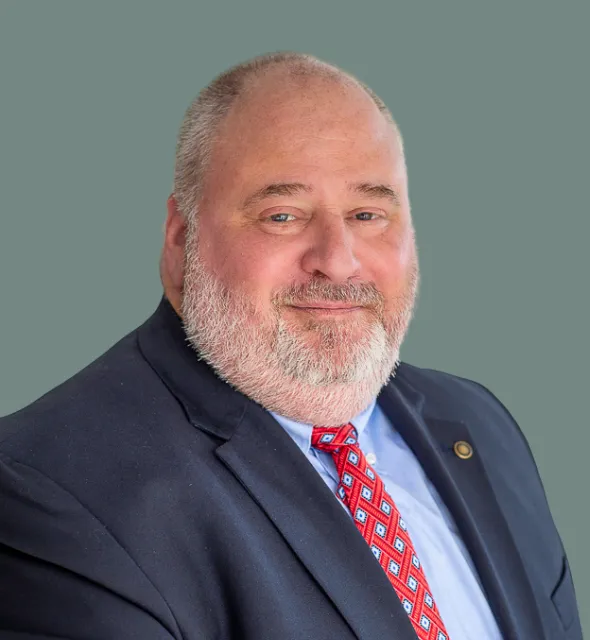
Keith Altman, Esq.
Schedule a ConsultationFrequently Asked Questions
Do I need a lawyer for a Michigan conduct case?
You're not required to hire one, but Michigan's process has changed recently, with formal cases now handled by a newly created office. Understanding which office has your case and what procedure applies is more important than it used to be, and a lawyer can help you sort that out early.
How long does Michigan's disciplinary process take?
Timelines vary. After a written decision, a resolution officer's decision is subject to approval by the dean of students, and the timeline depends on which pathway, restorative or formal, your case follows.
What's the difference between OSCR and the Office of Student Accountability?
OSCR handles voluntary, restorative resolution, used when both sides agree harm occurred and want to work toward a resolution together. The Office of Student Accountability, created in 2025, handles formal fact-gathering and complaints, including situations where the university itself brings the complaint. Both operate under Student Resolution Resources.
Can a finding be appealed?
Yes. An appeal must be filed within five days of the written decision, to the resolution coordinator, on the grounds that proper procedure wasn't followed or that the evidence didn't support the finding.
Will this show up on my transcript?
It depends on the outcome and sanction. Because Michigan's process changed recently and outcomes vary by case, it's worth discussing your specific situation directly.

Do Not Try to Handle Michigan's Disciplinary Process On Your Own
Whether you are a student facing a hearing or a parent trying to figure out what comes next, we can explain your options before the university makes decisions without your input.
Schedule a Consultation